Learner Profile
The International Baccalaureate (IB) describes the IB Learner Profile as “The IB mission statement translated into a set of learning outcomes for the 21st century and provides a long-term vision of education. It is a set of ideals that can inspire, motivate and focus the work of schools and teachers, uniting them in a common purpose”. There are ten attributes that frame the IB Learner Profile. IB schools are charged with developing these attributes in a meaningful and contextual way in the hope that our students are:
· Inquirers
· Risk Takers
· Communicators
· Thinkers
· Knowledgeable
· Principled
· Caring
· Open minded
· Balanced
· Reflective
What does this look like in the context of teaching and learning in the elementary section at Chatsworth International School? We begin to introduce the learner profile early with our K1 students. Although the Learner Profile is composed of big words and even bigger concepts, teachers still use the vocabulary with the students. This is done through discussions; usually stemming from actions and events that happen in class. This provides the students with authentic opportunities that can be connected to a specific attribute enabling the children to understand these abstract ideas easier.
Literature is a wonderful vehicle in which to explore the attributes from the Learner Profile for all of our students. In the Primary library, we have now begun to categorize our picture books according to one of the attributes connected to that piece of literature. I want to thank Ms. Fang and Ms. Siti for their efforts in organizing this for our teachers and students. Should you like to learn more about our books and the profiles, please feel free to contact our librarians.
Dr. Michael Berry
Head of Primary
Friday, 15 March 2019

Week 29 of the Primary Weekly Correspondance
Primary Weekly Correspondence
- Parent-Teacher-Student Conference (PTSC) (18-19 Mar)
Please note that students will attend their conferences with their parents but there are no classes on both days. - March Lunch Menu
- Y6 invitation to Secondary Open House
Letter here.
Friday, 8 March 2019
Book Week
This week our students and staff participated in Book Week where we raised awareness of how we love and celebrate reading. To be clear, as a school we always value literature and promote reading daily. However, Book Week is simply a wonderful way to bring it more to the forefront for all involved.
Ms. Elaine Fong, our teacher librarian, organized the week for us. She ensured that the students were involved from the beginning and kept them engaged with visiting authors and exploring new books in the library and in their classroom throughout the week. I would like to thank her and Ms. Siti, her Library Teaching Assistant, for their effort in making this Book Week a highlight for us here at Chatsworth.
Speaking of reading, I recently read a blog I found particularly interesting and wanted to share its contents with the parent community.
Children’s book author Terry Pierce, listed and expanded on five reasons she believes picture books benefit young children. The first reason she spoke of was language development. Pierce notes that most picture books contain only about 500 words; many books have fewer. Because there are so few words, the author has to choose the language carefully, which is why a hallmark of picture books is that they are crafted with such care. Editor Anne Hoppe writes that with picture books “the writer distills, the illustrator expands”.
Picture books also facilitate brain development in young children. Between the ages of 2 and 7 the brain is making extra neurological connections, trying to establish “patterns, cause-and-effect and sequences”. For those of us that have read picture books, we know that many of them contain familiar patterns (Brown Bear, Brown Bear, What Do You See? by Bill Martin) and rhyming words (The Gruffalo and Stick Man by Julia Donaldson) which children love. These books help to create new connections is the brain.
Pierce also believes that the physical participation of a child turning a page in a book is important in the child developing a love of reading. Turning the page in the book “sets up an interactive experience between the child and the story”. Many authors build suspense when writing by beginning a sentence on one page and ending it on the next after a page turn. This allows for more cause-and-effect pathways to develop in the brain.
Children want to be part of the reading experience. When children participate in the reading of a book, their attention span can be enhanced. Being engrossed in a book, especially one that has a catchy refrain (Alexander and the Terrible, Horrible, No Good, Very Bad Day by Judith Viorst), allows for students to wait for their opportunity to join in the storytelling experience by “reading” the refrain along with the teacher.
Finally, picture books are multi-sensory. Brains at this age are developing rapidly. The experiences that we as educators provide (this includes parents as you are your child’s first teacher) allow for development to happen more rapidly by stimulating their children’s senses. When reading a picture book, children are hearing words, seeing shapes (letters/words) on a page, touching or feeling the book (tactile /touch-and-feel books), and smelling the pages as well (scratch-and-sniff books).
There is a disturbing trend in the United States that began just under a decade ago; the sales of picture books are down. The New York Times noted that many parents are skipping picture books and going straight to chapter books.
The reason?
Some parents believe that by going straight to chapter books they will help to “advance their (children’s) reading skills”. Bluntly, Pierce writes that, “It isn’t true. Or smart”. She provides the analogy of a parent not allowing his/her child to crawl and go straight to walking, as eventually this would make the child a better runner. This hardly makes sense.
Reading is a process. It is important that we value that process and support our children as they proceed through it at their own pace. Take the time to enjoy and celebrate the learning all the while fostering the love of reading.
I hope you have a wonderful weekend ahead.
Dr. Michael Berry
Head of Primary
Week 28 Primary Weekly Correspondance
- Chatsworth School Fair (9 Mar 19)
More details here.Spring Fair Poster
Spring Fair Map
- Parent Cafe: Language Curriculum (13 Mar 19)
- Parent-Teacher-Student Conference (PTSC) (18-19 Mar)
Please note that students will attend their conferences with their parents but there are no classes on both days.
Sunday, 3 March 2019
PTSC (Parent-Teacher-Student Conference)
In a few short weeks, Orchard Primary will host the second Parent – Teacher – Student – Conference (PTSC). The purpose of this conference, as outlined in the letter that was sent home today, is to share information between the parent, teacher and the student regarding student learning.
Students will be reflecting on the goals they set earlier in the year. It will also involve teachers and students framing discussions around three aspects; successes, challenges and goals for the rest of the year.
Additionally, students will take the lead by presenting their work to their parents in various formats. The teacher will take a back step, allowing the students time to share their successes, but also what areas still remains a challenge for them. Of course, the teacher will facilitate and support the discussion as necessary.
I want to thank the teachers and students for their efforts in preparing for this all-important occasion to further develop the triangular relationship between parent, teacher and student.
Dr. Michael Berry
Head of Primary
Head of Primary
Week 27 of the Primary Weekly Correspondance
Primary Weekly Correspondence
- Book Week 2019
- Orchard Teacher Shelfies - Our teachers with their favourite books
- Download a Children's Right to Read poster from the International Literacy Association to share with your child. Comes in 8 languages! - Share with your child's Dave Pilkey's (creator of Dog Man, Captain Underpants) video on the importance of 20 mins of reading a day.
- Growing Up Surrounded by Books Could Have Powerful, Lasting Effect on the Mind - Smithsonian.com Oct 2018 Reading linked to literacy, numeracy and tech skills.
Full scholarly article can be downloaded here.
- Chatsworth School Fair (9 Mar 19)
More details here.Spring Fair Poster
Spring Fair Map
- Parent Cafe: Maths (6 Mar 19)
- Parent Cafe: Language Curriculum (13 Mar 19)
- Parent-Teacher-Student Conference (PTSC) (18-19 Mar)
Please note that students will attend their conferences with their parents but there are no classes on both days.
Friday, 22 February 2019
Attitude
The overarching goal of the PYP programme is to develop internationally minded, balanced students. The teachers endeavor to do so by employing a holistic teaching method, recognizing that academics are only one part of a child’s education. The PYP written curriculum, as noted in the PYP publication Making the PYP Happen, is created so that students can acquire “essential knowledge and skills, development of conceptual understanding, demonstration of positive attitudes and taking responsible action”. These are referred to as the 5 Essential Elements of the Written Curriculum. The 5 Essential Elements was discussed this past week in the context of the Year 6 Exhibition.
Developing skills and ensuring students understand concepts are important, as I have touched on in recent newsletters. But, there is a vital focus on the development of “personal attitudes towards people, towards the environment and towards learning, attitudes that contribute to the well-being of the individual and of the group.” Including the attitudes as an essential element of the written curriculum signifies that the PYP “is making a commitment to a values-laden curriculum.”
In PYP schools, students should demonstrate:
Appreciation Appreciating the wonder and beauty of the world and its people.
Commitment Being committed to their own learning, persevering and showing self-discipline
and responsibility.
Confidence Feeling confident in their ability as learners, having the courage to take risks,
Enthusiasm Enjoying learning and willingly putting the effort into the process.
Independence Thinking and acting independently, making their own judgments based on reasoned
Developing skills and ensuring students understand concepts are important, as I have touched on in recent newsletters. But, there is a vital focus on the development of “personal attitudes towards people, towards the environment and towards learning, attitudes that contribute to the well-being of the individual and of the group.” Including the attitudes as an essential element of the written curriculum signifies that the PYP “is making a commitment to a values-laden curriculum.”
In PYP schools, students should demonstrate:
Appreciation Appreciating the wonder and beauty of the world and its people.
Commitment Being committed to their own learning, persevering and showing self-discipline
and responsibility.
Confidence Feeling confident in their ability as learners, having the courage to take risks,
applying what they have learned and making appropriate decisions and choices.
Cooperation Cooperating, collaborating, and leading or following as the situation demands.
Creativity Being creative and imaginative in their thinking and in their approach to problems
Cooperation Cooperating, collaborating, and leading or following as the situation demands.
Creativity Being creative and imaginative in their thinking and in their approach to problems
and dilemmas.
Curiosity Being curious about the nature of learning, about the world, its people and cultures.
Empathy Imagining themselves in another’s situation in order to understand his or her
Curiosity Being curious about the nature of learning, about the world, its people and cultures.
Empathy Imagining themselves in another’s situation in order to understand his or her
reasoning and emotions, so as to be open-minded and reflective about the
perspectives of others.
Enthusiasm Enjoying learning and willingly putting the effort into the process.
Independence Thinking and acting independently, making their own judgments based on reasoned
argument, and being able to defend their judgments.
Integrity Being honest and demonstrating a considered sense of fairness.
Respect Respecting themselves, others and the world around them.
Tolerance Being sensitive about differences and diversity in the world and being responsive to
Integrity Being honest and demonstrating a considered sense of fairness.
Respect Respecting themselves, others and the world around them.
Tolerance Being sensitive about differences and diversity in the world and being responsive to
the needs of others.
Dr. Michael Berry
Head of Primary
Dr. Michael Berry
Head of Primary
Week 26 of the Primary Weekly Correspondance
Primary Weekly Correspondence
Dear Parents,
Each year, Chatsworth asks that you share your thoughts regarding your child’s education. The survey contains questions touching on all areas of the school. We value your opinion and ask that you take a few moments to complete the survey by clicking on the link.
The Year 4 students have been busy preparing for our HWOO Market Day in the Mmainsports Hhall on Monday 25th February. JY students and parents are invited to attend. Please see the attached letter and invitation.
Link to Poster
Link to Letter
Dear Parents,
Each year, Chatsworth asks that you share your thoughts regarding your child’s education. The survey contains questions touching on all areas of the school. We value your opinion and ask that you take a few moments to complete the survey by clicking on the link.
- Chatsworth School Fair (9 Mar 19)
RSVP link here.
Send in a photo of your child caught reading in strange and unusual situations by Monday Mar 4 to Ms. Fong at efong@chatsworth.com.sg. Creative photoshopping is HIGHLY encouraged. Examples are here. Winners will be announced on Mar 8.- Year 4 Market Day
The Year 4 students have been busy preparing for our HWOO Market Day in the Mmainsports Hhall on Monday 25th February. JY students and parents are invited to attend. Please see the attached letter and invitation.
Link to Poster
Link to Letter
Sunday, 17 February 2019
Chinese New Year Celebration
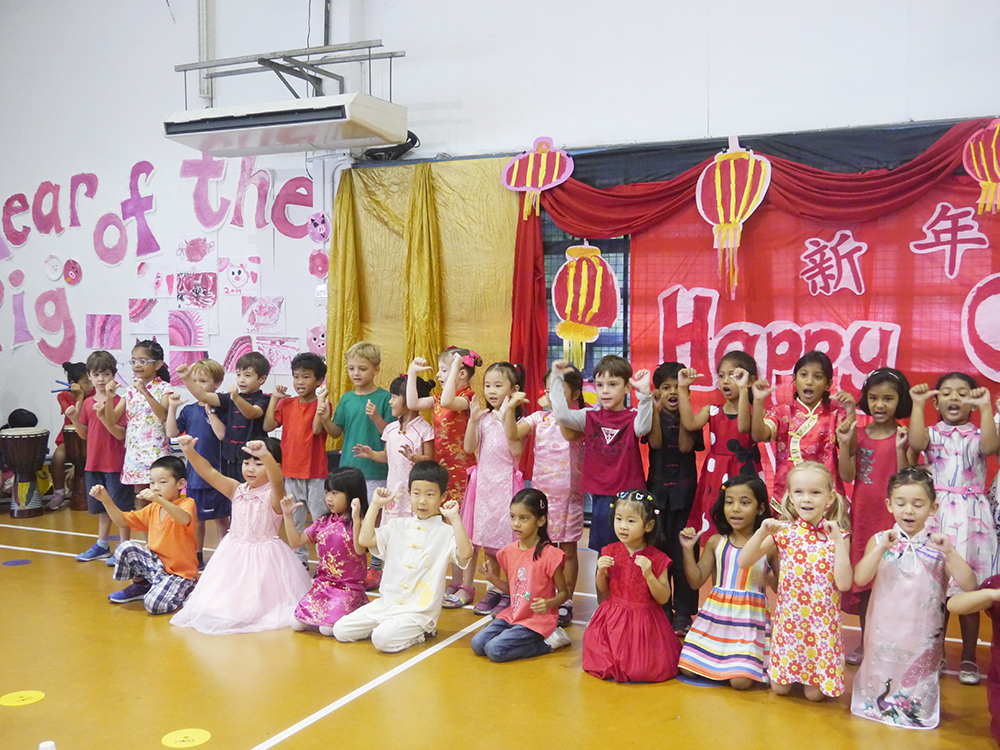
Chinese New Year is a major holiday in Singapore, this year spanning from 5 February until 19 February. This Year of the Pig is the twelfth of the 12-year cycle of animals which appear in the Chinese zodiac related to the Chinese calendar. Students in Mandarin classes and music classes have experienced all different forms of cultural celebrations around this holiday.
On 7 February, we experienced a Chinese lion dance performed for good luck in the new year. Then on 8 February, our students performed cultural dances, which were the fan and chopstick dances, and displayed their drumming and puppet skills. The photos below captured some of these wonderful events. Many thanks to all the classes of students who performed and to Ms. Bac, Mr. Marcelo, Mrs. Teleford, Zhang Laoshi, Hu Laoshi and Huang Laoshi.
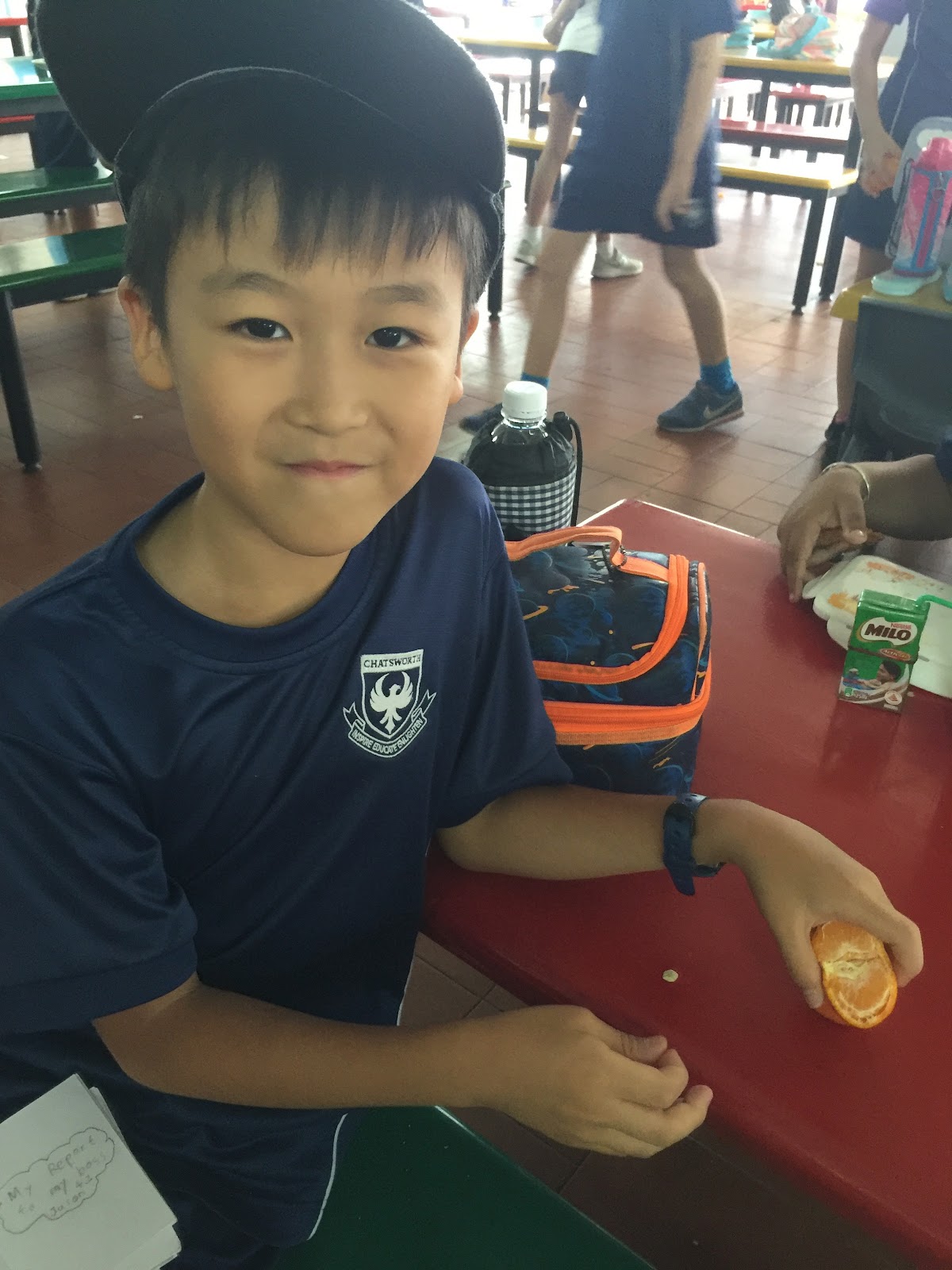
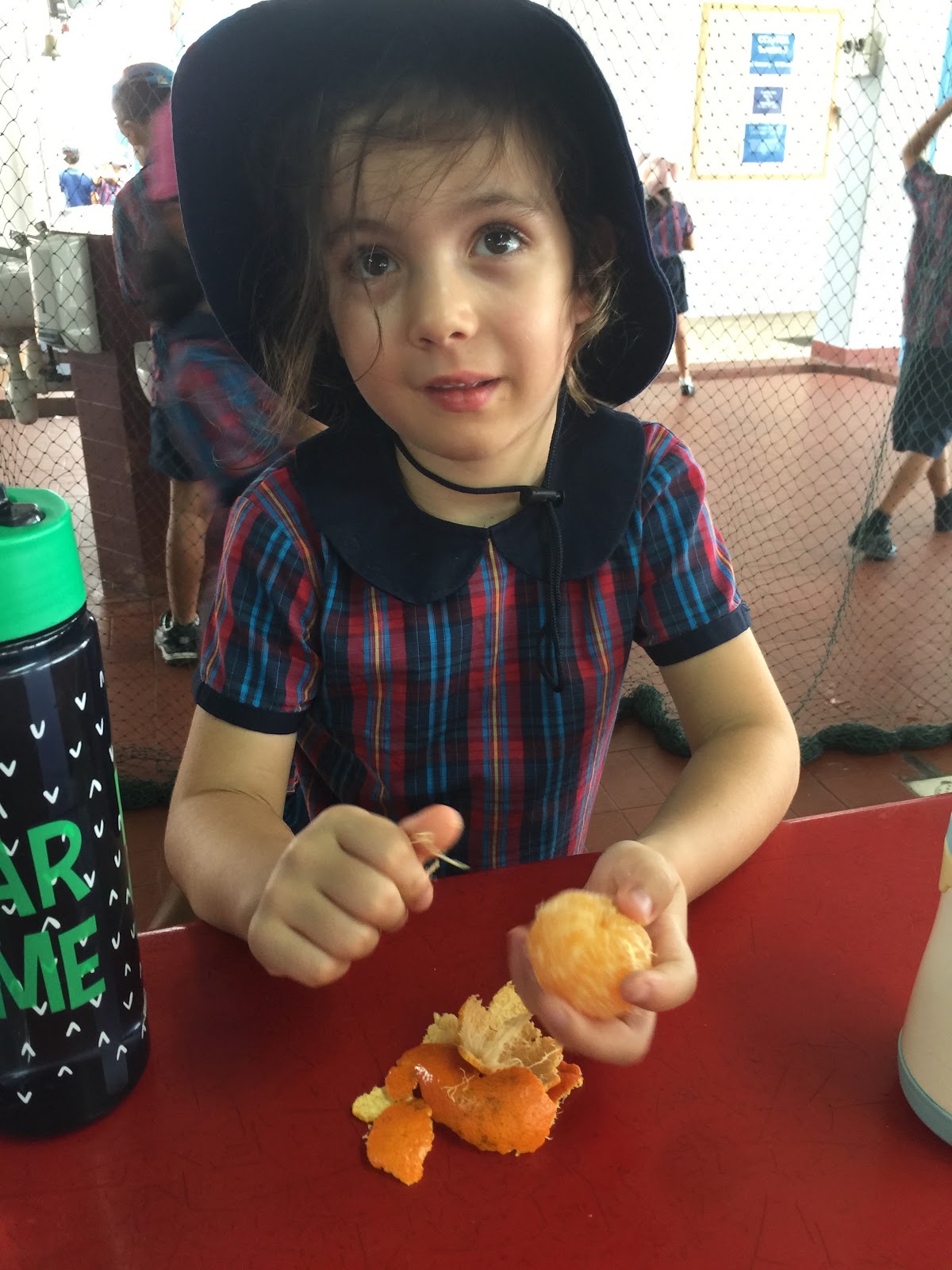
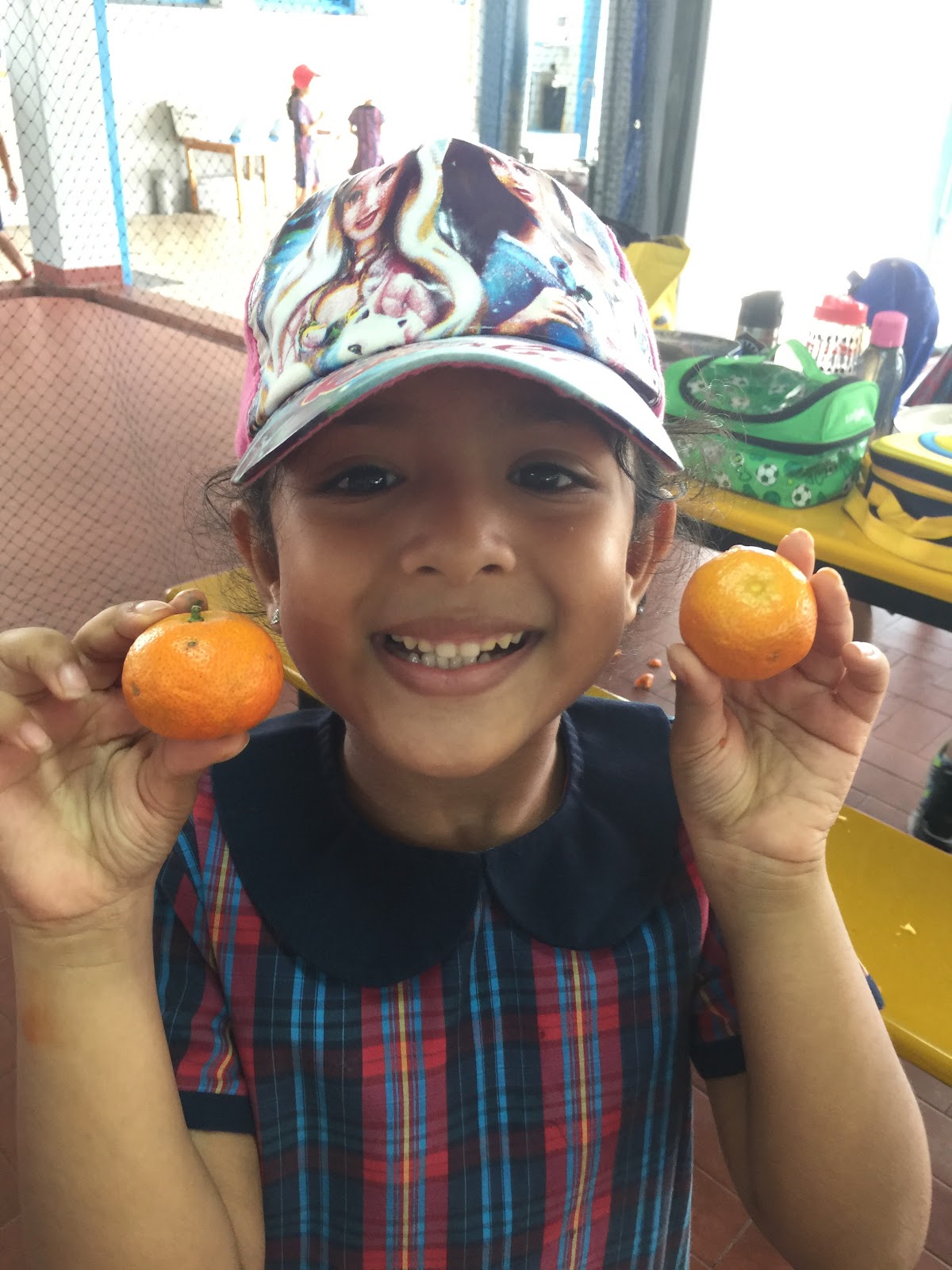
Today, student council passed out mandarin oranges to each of the students during their lunch breaks. Also below you can see photos from this event in the canteen.
As with all our holiday events, our students, parents, and staff are able to join in celebrating the important holidays of our host country. Singapore cherishes all its holidays.
 |  |  |
 |  |  |
 |  |  |
 |  |  |
 |  |  |
 |  |  |
 |  |  |
 |  |  |
Kim Riemer
Assistant Head of Primary
Week 25 of the Primary Weekly Correspondance
Primary Weekly Correspondence
-
Dear Parents,Each year, Chatsworth asks that you share your thoughts regarding your child’s education. The survey contains questions touching on all areas of the school. We value your opinion and ask that you take a few moments to complete the survey by clicking on the link.
- Chatsworth School Fair (9 Mar 19) More details here.
- CPG Coffee Morning (18 Feb 19)Please join us Monday, 18 February 2019 at 9:00am in the Discovery Centre (4D). We will have coffee, snacks and additional information about upcoming events such as Book Week, Sports Day and the Spring Fair.We look forward to seeing you there!The CPG TeamWhat: CPG Coffee Morning
When: February 18, 2019 (Monday)9:00 a.m.
Where: Room 4D (Discovery Centre) -
- Parent Cafe: Language Curriculum (16 Mar 19) RSVP link here.
Sunday, 10 February 2019
Collective Efficacy
In 1977, Stanford psychologist Albert Bandura observed that a group's confidence in its abilities seemed to be associated with greater success (ASCD Educational Leadership). There has been much research in the area of collective teacher efficacy. In an effort to take advantage of this phenomena, the teachers and teaching assistants at the Orchard Campus and the secondary teachers at the Bukit Timah campus are taking the online Jo Boaler course to become even stronger mathematics teachers.
There has not been much research in collective efficacy where parents are part of the collective efficacy group. We are changing that as there are a number of parents also taking the Jo Boaler course. On March 6, those parents who are enrolled, and those who would like to take the course, will be invited to attend a session with the teachers to learn more about mathematics at Chatsworth. More information will be coming soon about this event.
At the end of the day, we want to make a systemic change in how mathematics is taught at our school. Change is hard. There is evidence that suggests that in organizations 70% of change initiatives are not successful. Furthermore, a sustained change is even more elusive.
In order to make and sustain change, it is important to surround yourself with like minded individuals. Some would say that you would want those with alternative viewpoints as group members to represent other perspectives (Collins book Good to Great goes into this in great detail). That is true to a certain extent. However, if you are considering changing how your school teaches mathematics from procedure based to conceptual, when you have those who are like minded, the conversation becomes "how do we become better at teaching conceptually?" instead of "why are we teaching conceptually?". Change is much easier to implement and, more importantly, sustain.
Having the parents and teachers working together will enable us to make our school better as we all have the same vision as to what quality mathematics teaching and learning looks, feels, and sounds like. I am excited for us to meet on March 6 to learn together.
Dr. Michael Berry
Head of Primary
There has not been much research in collective efficacy where parents are part of the collective efficacy group. We are changing that as there are a number of parents also taking the Jo Boaler course. On March 6, those parents who are enrolled, and those who would like to take the course, will be invited to attend a session with the teachers to learn more about mathematics at Chatsworth. More information will be coming soon about this event.
At the end of the day, we want to make a systemic change in how mathematics is taught at our school. Change is hard. There is evidence that suggests that in organizations 70% of change initiatives are not successful. Furthermore, a sustained change is even more elusive.
In order to make and sustain change, it is important to surround yourself with like minded individuals. Some would say that you would want those with alternative viewpoints as group members to represent other perspectives (Collins book Good to Great goes into this in great detail). That is true to a certain extent. However, if you are considering changing how your school teaches mathematics from procedure based to conceptual, when you have those who are like minded, the conversation becomes "how do we become better at teaching conceptually?" instead of "why are we teaching conceptually?". Change is much easier to implement and, more importantly, sustain.
Having the parents and teachers working together will enable us to make our school better as we all have the same vision as to what quality mathematics teaching and learning looks, feels, and sounds like. I am excited for us to meet on March 6 to learn together.
Dr. Michael Berry
Head of Primary
Week 24 of the Primary Weekly Correspondance
Primary Weekly Correspondence
Dear Parents,
Each year, Chatsworth asks that you share your thoughts regarding your child’s education. The survey contains questions touching on all areas of the school. We value your opinion and ask that you take a few moments to complete the survey by clicking on the link.
Dear Parents,
Each year, Chatsworth asks that you share your thoughts regarding your child’s education. The survey contains questions touching on all areas of the school. We value your opinion and ask that you take a few moments to complete the survey by clicking on the link.
- Chatsworth School Fair (9 Mar 19)
More details here.
We look forward to seeing you there!
The CPG Team
Please RSVP via: cpg-orc@chatsworth.com.sg.
What: CPG Coffee Morning
When: February 18, 2019 (Monday),9:00 a.m.
Where: Room 4D (Discovery Centre)
- CPG Coffee Morning (18 Feb 19)
We look forward to seeing you there!
The CPG Team
Please RSVP via: cpg-orc@chatsworth.com.sg.
What: CPG Coffee Morning
When: February 18, 2019 (Monday),9:00 a.m.
Where: Room 4D (Discovery Centre)
Thursday, 31 January 2019
Exhibiton
This past Wednesday evening our Year 6 Teachers and PYP Coordinator held an information meeting for the Year 6 parents about the Primary Years Programme (PYP) Exhibition. The exhibition serves as the culminating event for children leaving the PYP and entering into the Middle Years Programme (MYP). The Exhibition synthesizes the learning of the students, incorporating essential elements of the PYP as well as the attributes of the IB Learner Profile.
The IBPYP Exhibition Guidelines outline the purpose of the Exhibition in more detail.
· for students to engage in an in-depth, collaborative inquiry
· to provide students with an opportunity to demonstrate independence and responsibility for their own learning
· to provide students with an opportunity to explore multiple perspectives
· for students to synthesize and apply their learning of previous years and to reflect upon their journey through the PYP
· to provide an authentic process for assessing student understanding
· to demonstrate how students can take action as a result of their learning
· to unite the students, teachers, parents and other members of the school community in a collaborative experience that incorporates the essential elements of the PYP
· to celebrate the transition of learners from primary to middle/secondary education
During the Exhibition, each student will analyze their group’s central idea and apply it to an area that they are particularly interested and passionate. There is a wide range of subjects that students can inquire into as you can imagine.
Each year the Exhibition evolves as the Year 6 teachers reflect on the previous year. We feel that this year, the Exhibition will once again be a huge success. Historically, when speaking with the students, they know much about their chosen subject and can articulate their learning clearly. Just as importantly, the action that the children have chosen to take has also been impressive.
We look forward to the 2019 Exhibition Presentation. Dr. Michael Berry Head of Primary
Dr. Michael Berry
The IBPYP Exhibition Guidelines outline the purpose of the Exhibition in more detail.
· for students to engage in an in-depth, collaborative inquiry
· to provide students with an opportunity to demonstrate independence and responsibility for their own learning
· to provide students with an opportunity to explore multiple perspectives
· for students to synthesize and apply their learning of previous years and to reflect upon their journey through the PYP
· to provide an authentic process for assessing student understanding
· to demonstrate how students can take action as a result of their learning
· to unite the students, teachers, parents and other members of the school community in a collaborative experience that incorporates the essential elements of the PYP
· to celebrate the transition of learners from primary to middle/secondary education
During the Exhibition, each student will analyze their group’s central idea and apply it to an area that they are particularly interested and passionate. There is a wide range of subjects that students can inquire into as you can imagine.
Each year the Exhibition evolves as the Year 6 teachers reflect on the previous year. We feel that this year, the Exhibition will once again be a huge success. Historically, when speaking with the students, they know much about their chosen subject and can articulate their learning clearly. Just as importantly, the action that the children have chosen to take has also been impressive.
We look forward to the 2019 Exhibition Presentation. Dr. Michael Berry Head of Primary
Dr. Michael Berry
Head of Primary
Week 23 of the Primary Weekly Correspondance
Primary Weekly Correspondence
Dear Parents,
Each year, Chatsworth asks that you share your thoughts regarding your child’s education. The survey contains questions touching on all areas of the school. We value your opinion and ask that you take a few moments to complete the survey by clicking on the link.
Dear Parents,
Each year, Chatsworth asks that you share your thoughts regarding your child’s education. The survey contains questions touching on all areas of the school. We value your opinion and ask that you take a few moments to complete the survey by clicking on the link.
- Chinese New Year Celebration
Chinese New Year Festivities are on 7 and 8 of February.
Beginning February 7, students who arrive after 9:00 will need visit the Reception Office before going to their classroom.
Ms. Violet and Ms. Catherine will inform the teacher that the student has arrived on campus.
We thank you for your support.
Ms. Violet and Ms. Catherine will inform the teacher that the student has arrived on campus.
We thank you for your support.
Tuesday, 29 January 2019
Chinese New Year and CCA
Chinese New Year Festivities are on 7 and 8 of February. Follow this link to learn more about the activities.
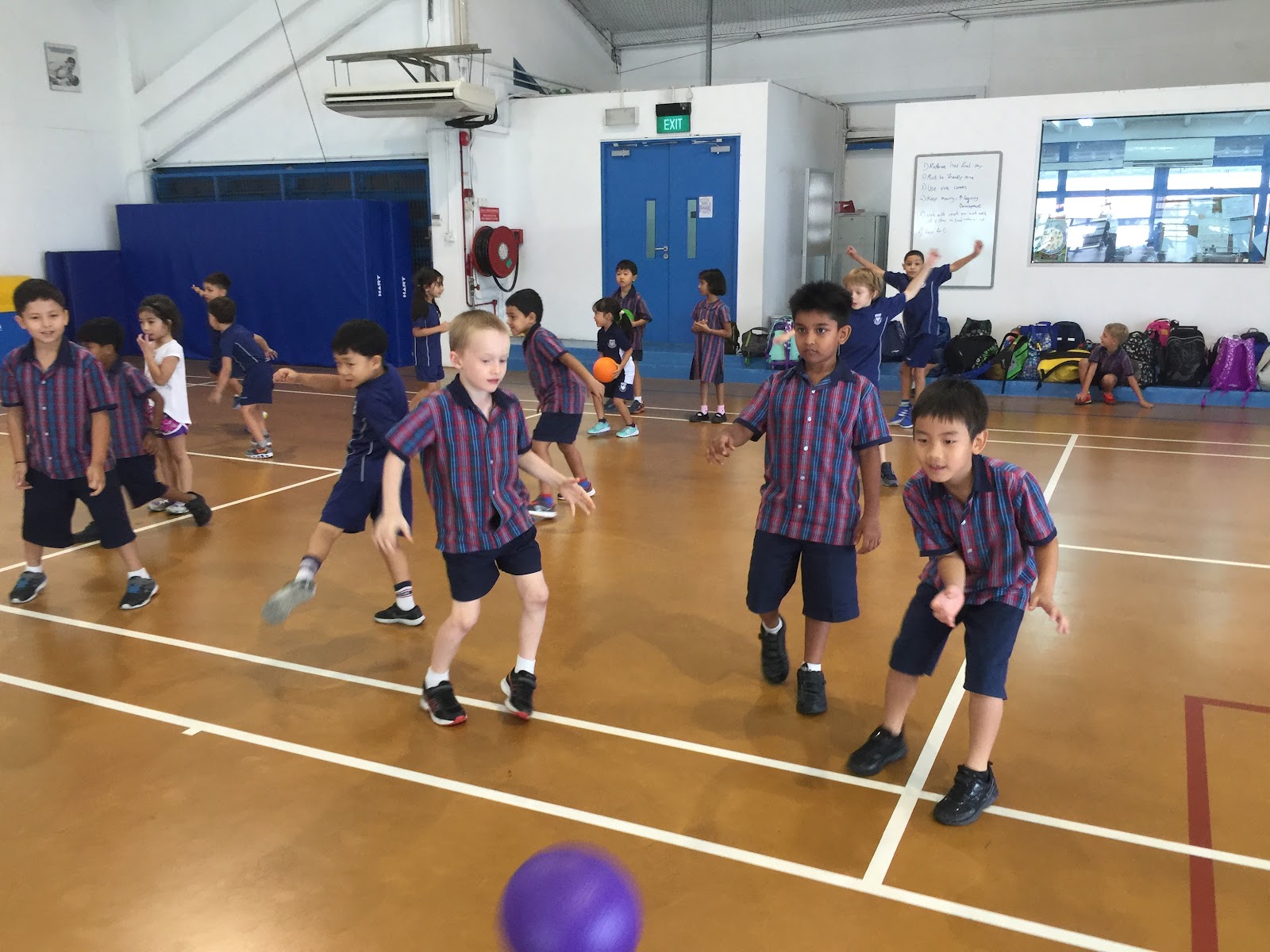
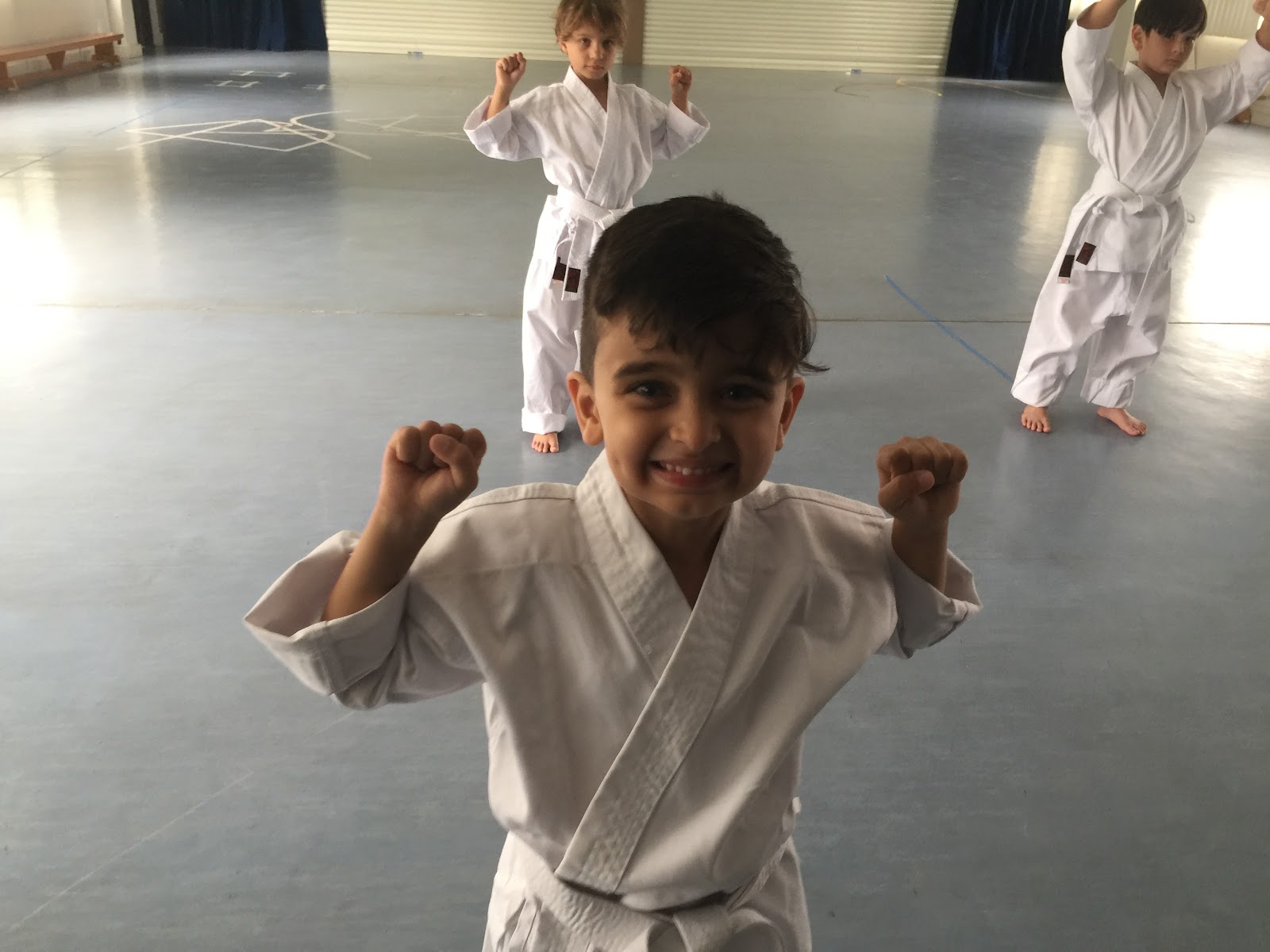
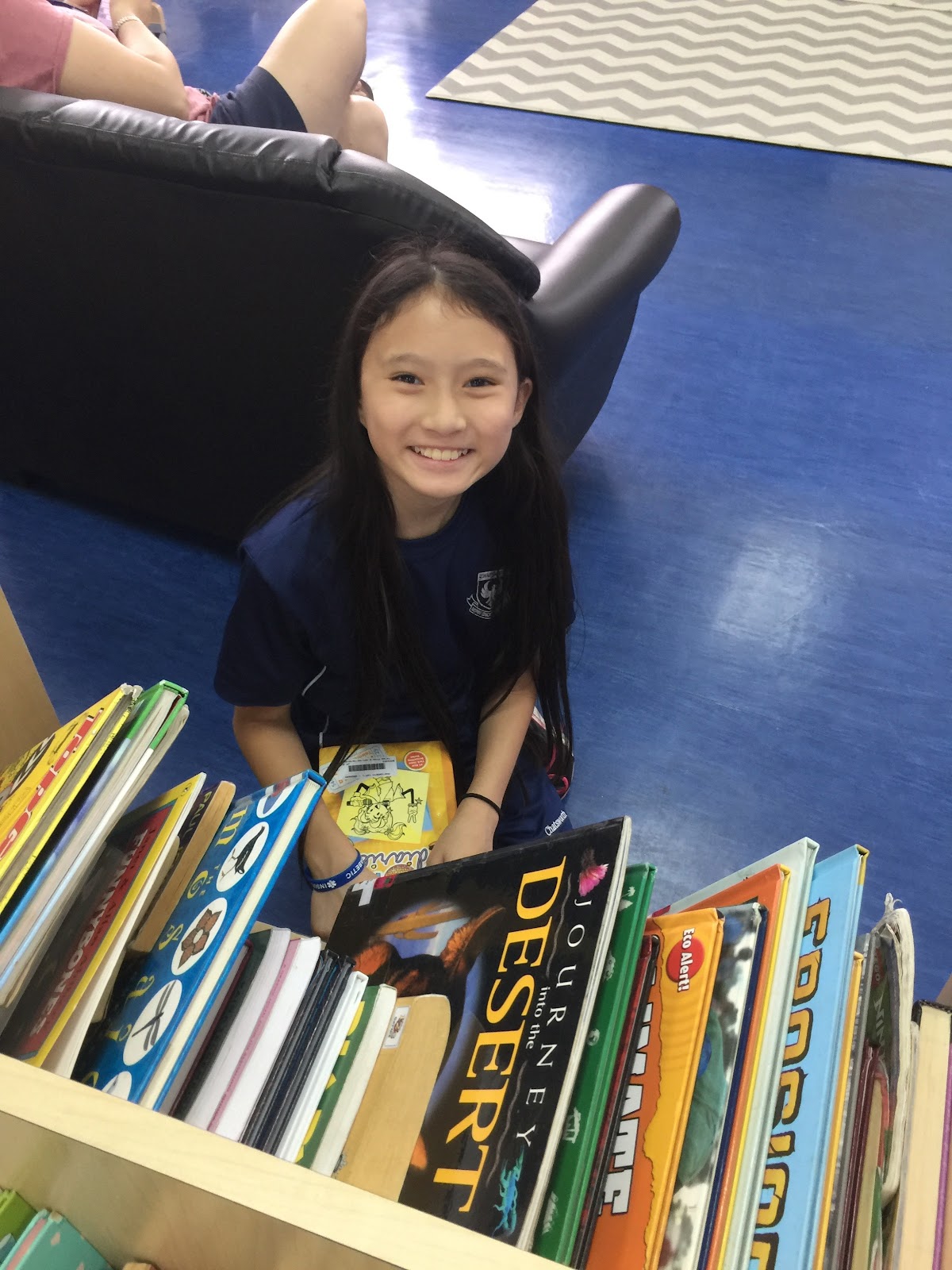
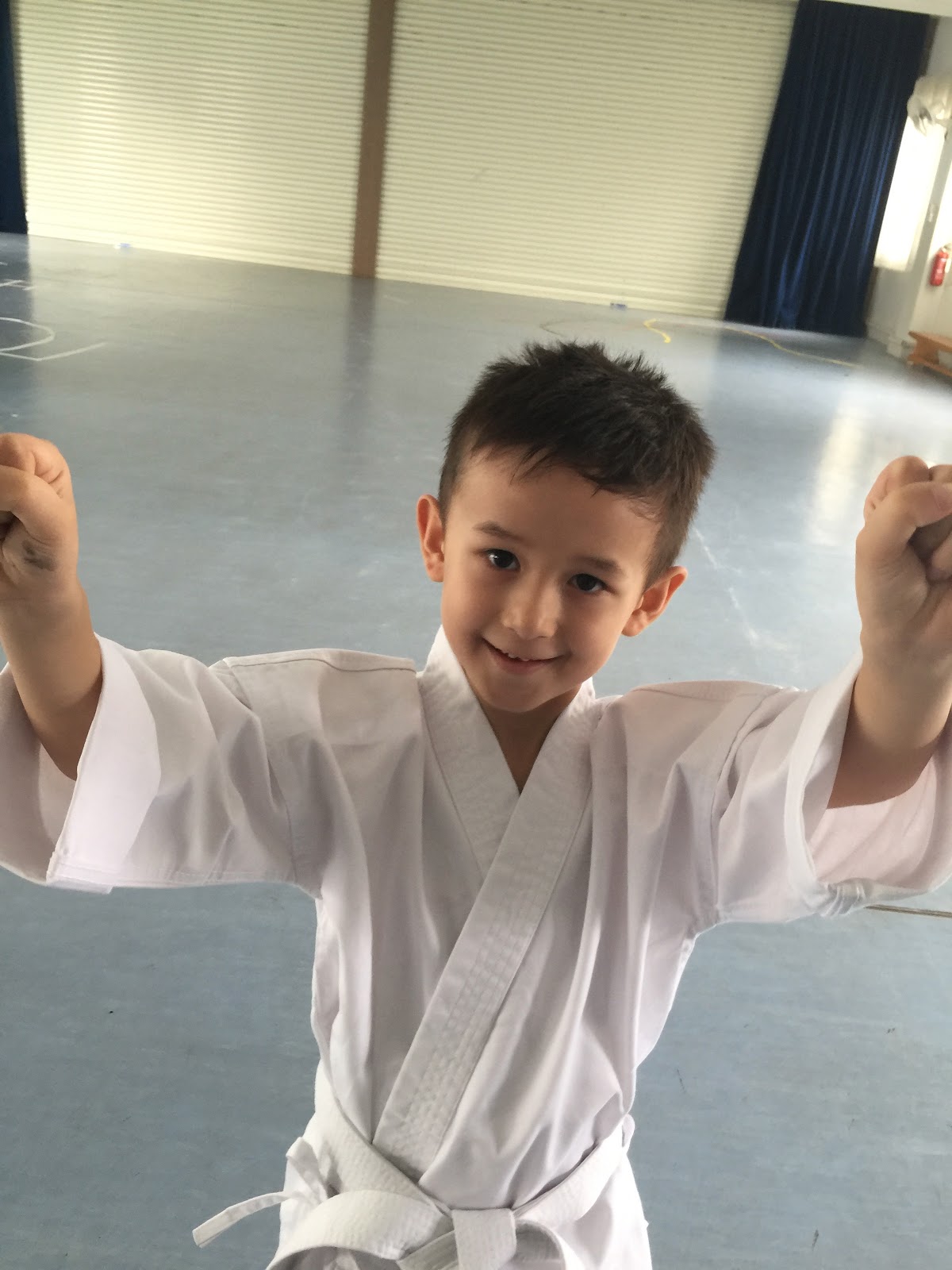
This week the CCA and CCA Session 2 kicked off on Monday and this first week has been extremely successful adding many new choices for our students. There are 17 CCA choices and 14 ECA choices this session. All of the CCA classes are fully booked and teachers have stretched the class sizes and allowed as many children as possible to offer a quality experience. We have some new and exciting ECA choices this term too, but some of our ECA choices had to be cancelled at the last minute because enrollment was too low. For that, we are very sorry.
Check out the photos from some of the classes.
 |  |
 |  |
 |  |
 |  |
 |  |
 |  |
Week 22 of the Weekly Primary Correspondance
Primary Weekly Correspondence
Each year, Chatsworth asks that you share your thoughts regarding your child’s education. The survey contains questions touching on all areas of the school. We value your opinion and ask that you take a few moments to complete the survey by clicking on the link below.
2019 Parent Survey
- 2019 Parents Survey
Each year, Chatsworth asks that you share your thoughts regarding your child’s education. The survey contains questions touching on all areas of the school. We value your opinion and ask that you take a few moments to complete the survey by clicking on the link below.
2019 Parent Survey
- Chinese New Year Celebration (7 & 8 Feb 2019)
Sunday, 20 January 2019
Technology and Mathematics
Technology and Mathematics
Motivation is defined as, "a force or drive that influences behavior to achieve a desired outcome”. Digital natives like students at Chatsworth, since birth, have been surrounded by technology. For this reason, they feel comfortable and enthusiastic when using technology. Approximately 97% of teenagers in the United States play video games, half of them playing at a minimum once per day. In fact, teens in the United States are utilizing some type of technology for an average of 6 to 8 hours per day. Incorporating technology into the learning environment would be beneficial for digital natives in schools.
Student motivation is vital for student learning and success academically. Educators should utilize varying strategies to better connect with their students. Increasing interest in mathematics can be accomplished by using computers in meaningful ways to supplement mathematics instruction instead of relying on the traditional lecture and drills approach to teaching. There is evidence showing that the teaching of mathematics is enhanced with the integration of technology.
Many educators believe that technology, specifically video games, can benefit students’ motivation to learn. The characteristics that make video games appealing to students are that they are fun to play, challenge the child, and are competitive. Games also provide digital natives with a familiar platform with which to learn. Research has shown that game based learning (GBL) can be an effective tool for teaching today’s technology savvy students. The characteristics that GBL contains that make this type of learning especially attractive to students are that GBL “actively promotes learning, increases student motivation to learn and reduces stress in learning”. A major advantage for GBL over traditional teaching is its ability to grasp student attention due to the level of engagement the students are able to experience and the competitive nature of gaming.
In our Primary school, teachers utilize a variety of online learning platforms to supplement classroom teaching. There are many apps that can be used to help reinforce mathematics learning in a fun, yet effective manner. Some or our JY classes also use the website Study Ladder, which has been in existence for a decade now, to organize and plan for online resources. Technology will not only continue to be an integral part of teaching and learning as we move forward, but become increasingly important.
Dr. Michael Berry
Head of Primary
-----------
Motivation is defined as, "a force or drive that influences behavior to achieve a desired outcome”. Digital natives like students at Chatsworth, since birth, have been surrounded by technology. For this reason, they feel comfortable and enthusiastic when using technology. Approximately 97% of teenagers in the United States play video games, half of them playing at a minimum once per day. In fact, teens in the United States are utilizing some type of technology for an average of 6 to 8 hours per day. Incorporating technology into the learning environment would be beneficial for digital natives in schools.
Student motivation is vital for student learning and success academically. Educators should utilize varying strategies to better connect with their students. Increasing interest in mathematics can be accomplished by using computers in meaningful ways to supplement mathematics instruction instead of relying on the traditional lecture and drills approach to teaching. There is evidence showing that the teaching of mathematics is enhanced with the integration of technology.
Many educators believe that technology, specifically video games, can benefit students’ motivation to learn. The characteristics that make video games appealing to students are that they are fun to play, challenge the child, and are competitive. Games also provide digital natives with a familiar platform with which to learn. Research has shown that game based learning (GBL) can be an effective tool for teaching today’s technology savvy students. The characteristics that GBL contains that make this type of learning especially attractive to students are that GBL “actively promotes learning, increases student motivation to learn and reduces stress in learning”. A major advantage for GBL over traditional teaching is its ability to grasp student attention due to the level of engagement the students are able to experience and the competitive nature of gaming.
In our Primary school, teachers utilize a variety of online learning platforms to supplement classroom teaching. There are many apps that can be used to help reinforce mathematics learning in a fun, yet effective manner. Some or our JY classes also use the website Study Ladder, which has been in existence for a decade now, to organize and plan for online resources. Technology will not only continue to be an integral part of teaching and learning as we move forward, but become increasingly important.
Dr. Michael Berry
Head of Primary
-----------
Week 21 of the Primary Weekly Correspondance
Primary Weekly Correspondence
Dear Parents,
Each year, Chatsworth asks that you share your thoughts regarding your child’s education. The survey contains questions touching on all areas of the school. We value your opinion and ask that you take a few moments to complete the survey by clicking on the link below.
2019 Parent Survey
Happy New Year! We hope you all had a lovely holiday. The first CPG Coffee Morning for this semester will be Monday, 21 January 2019 at 9:00am in the Discovery Centre (4D). Please join us! Catch up with old friends and possibly make some new ones. We’ll have coffee, snacks and information about a few events happening later this semester.
Hope to see you there,
The CPG Team
Please RSVP via: cpg-orc@chatsworth.com.sg.
- 2019 Parents Survey
Dear Parents,
Each year, Chatsworth asks that you share your thoughts regarding your child’s education. The survey contains questions touching on all areas of the school. We value your opinion and ask that you take a few moments to complete the survey by clicking on the link below.
2019 Parent Survey
- CPG Coffee Morning (21 Jan 2019)
Happy New Year! We hope you all had a lovely holiday. The first CPG Coffee Morning for this semester will be Monday, 21 January 2019 at 9:00am in the Discovery Centre (4D). Please join us! Catch up with old friends and possibly make some new ones. We’ll have coffee, snacks and information about a few events happening later this semester.
Hope to see you there,
The CPG Team
Please RSVP via: cpg-orc@chatsworth.com.sg.
- Chinese New Year Celebration (7 & 8 Feb 2019)
- JY Parent Talk: WhatsApp Group (31 Jan 19)
Saturday, 12 January 2019
Acclimate to their new school
Acclimate to their new school
Over the past two weeks, Chatsworth has welcomed a number of new students and their families to school. Additionally Mr. Lucchesi, the PYP Coordinator hosted a Parent Café aimed at the parents new to Chatsworth and to the IB Programme. As you can imagine, some parents were feeling anxious due to all of this “newness”. During conversations, there were a few questions put forth about how parents ensure that their children acclimate to their new school.
In reading a few articles on the subject, I uncovered a few tips that new families to Chatsworth may want to keep in mind. In regards to adjusting to a new school, author Hannah Boyd suggests that:
Another huge factor in having new students settle in more quickly is the fact that we have a wonderfully caring community here at Chatsworth. The students who have been here are very welcoming and truly do all that they can to befriend each of the new children who come to our campus. It is beautiful to see the effort they consistently put forth to make sure that our newest school members feel comfortable and happy at school.
I wish you a lovely and safe weekend.
Dr. Michael Berry
Over the past two weeks, Chatsworth has welcomed a number of new students and their families to school. Additionally Mr. Lucchesi, the PYP Coordinator hosted a Parent Café aimed at the parents new to Chatsworth and to the IB Programme. As you can imagine, some parents were feeling anxious due to all of this “newness”. During conversations, there were a few questions put forth about how parents ensure that their children acclimate to their new school.
In reading a few articles on the subject, I uncovered a few tips that new families to Chatsworth may want to keep in mind. In regards to adjusting to a new school, author Hannah Boyd suggests that:
- The first few weeks may be “stormy” and that is nothing unusual. They may be more withdrawn and sensitive; this will pass.
- In these trying times for children, having a routine at home will help put them at ease as they know what will be coming next.
- Find any excuse to have a party. Boyd suggests having an early birthday party encouraging children to come to your child’s “home turf” where meeting new kids may be easier.
- As a parent, getting involved with the school (CPG) is a good way for parents and their children to meet other families.
- Be patient. Children may take longer than six weeks to begin to settle in. If children still have not settled in by then, do not panic. Speaking with the teacher and school counselor for support may help.
Another huge factor in having new students settle in more quickly is the fact that we have a wonderfully caring community here at Chatsworth. The students who have been here are very welcoming and truly do all that they can to befriend each of the new children who come to our campus. It is beautiful to see the effort they consistently put forth to make sure that our newest school members feel comfortable and happy at school.
I wish you a lovely and safe weekend.
Dr. Michael Berry
Head of Primary
Week 20 of the Primary Weekly Correspondance
Primary Weekly Correspondence
- Introduction of Optional Schoolwear
More details here.
- 2019 Parents Survey
Dear Parents,
Each year, Chatsworth asks that you share your thoughts regarding your child’s education. The survey contains questions touching on all areas of the school. We value your opinion and ask that you take a few moments to complete the survey by clicking on the link below.
2019 Parent Survey
- CPG Coffee Morning (21 Jan 2019)
Happy New Year! We hope you all had a lovely holiday. The first CPG Coffee Morning for this semester will be Monday, 21 January 2019 at 9:00am in the Discovery Centre (4D). Please join us! Catch up with old friends and possibly make some new ones. We’ll have coffee, snacks and information about a few events happening later this semester.
Hope to see you there,
The CPG Team
Please RSVP via: cpg-orc@chatsworth.com.sg.
What: CPG Coffee Morning
When: January 21, 2019 (Monday)
9:00 a.m.
Where: Room 4D (Discovery Centre)
Subscribe to:
Posts (Atom)